Klaus Egge
Composer | Norwegian | 1906–1979
About Klaus Egge
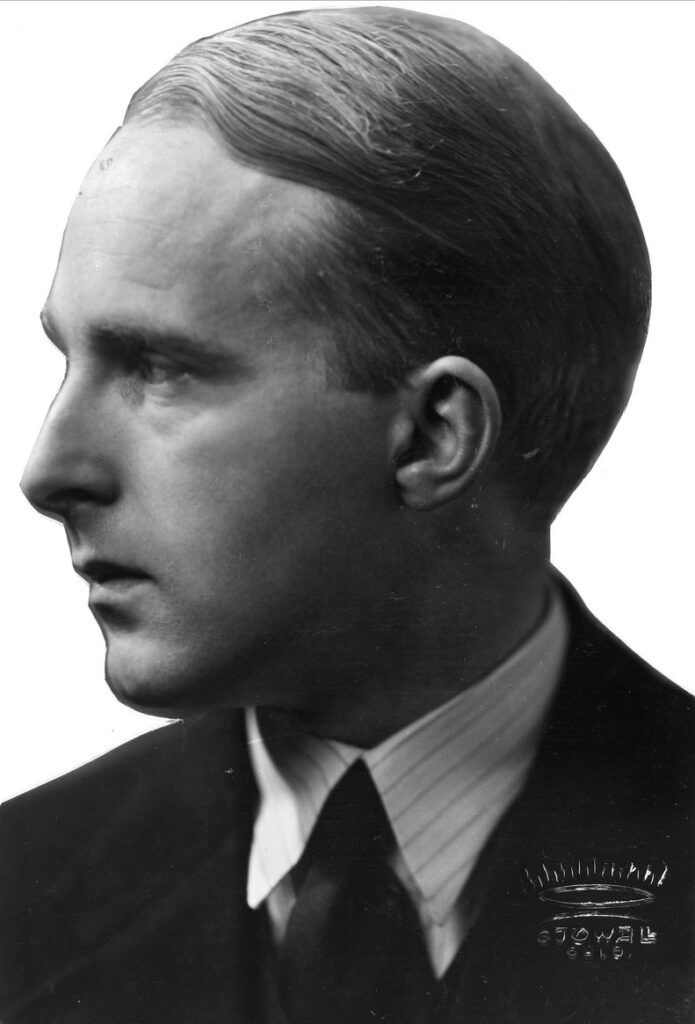
Klaus Egge (1906–1979) was one of Norway's leading twentieth-century composers, celebrated for a musical language that evolved from folk-inspired roots to a highly personal, at times twelve-tone, idiom. Born in Gransherad in Telemark, he trained as a teacher before studying at the Norwegian Academy of Music in Oslo, graduating in 1929, and later took private composition lessons from Fartein Valen and studied in Berlin under Walther Gmeindl. Egge worked as a schoolteacher in Porsgrunn and Oslo while building his career as a composer and music critic. His catalogue includes five symphonies, three piano concertos and concertos for violin and cello, alongside chamber and choral works.
His music passed through three broad phases: an early period drawing on Norwegian folk material, a middle period built on a universal tonal language using what he termed a "metamorphic" technique of thematic transformation, and a late period exploring twelve-tone writing, exemplified by the "Preludio metamorfico" movement of his 1966 Cello Concerto. In recognition of his contribution to Norwegian musical life, Egge received the Arts Council Norway Honorary Award in 1972 and was made a Commander of the Order of St Olav in 1977. He died in Oslo in 1979.